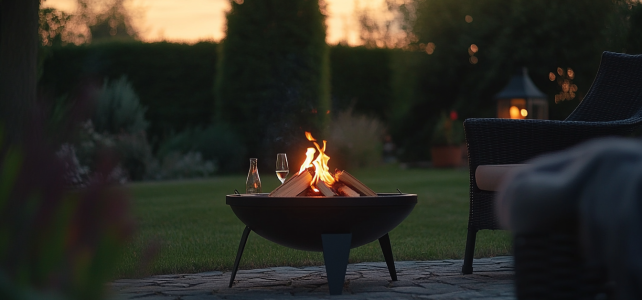
With the arrival of beautiful days, the desire to enjoy your garden intensifies. What could be better than a fire pit to brighten up summer evenings and extend the pleasure outdoors? This element has become a must-have for lovers of convivial moments. But faced with the multitude of models on the market, making the right choice can be a challenge. Materials, dimensions, functionalities… every detail matters. In this quest for the perfect fire pit, it is essential to understand the determining criteria in order to choose one that will harmoniously integrate into your space while meeting your needs and desires.
Understanding the Different Types of Fire Pits
The variety of fire pits available is impressive. Each type has its specificities and advantages, adapting to various types of gardens and uses.
Read also : Discover unusual destinations and tips for unforgettable travels around the world
Cast iron fire pits are appreciated for their robustness and ability to retain heat. They are perfect for extended evenings, offering consistent warmth. Lighter steel models are ideal for those looking for a portable and easy-to-move option. For those who prioritize design, clay fire pits add a touch of authenticity and elegance. Finally, gas fire pits are appealing for their ease of use and modern appearance, not to mention their easy maintenance.
Selecting the Right Location for Your Fire Pit
The location of your fire pit plays a key role in the user experience. A poor location could compromise safety and comfort.
See also : All the trends and tips for organizing an unforgettable wedding in 2024
- Choose a spot sheltered from the wind to prevent the flames from flickering unpredictably.
- Ensure you have a flat and stable surface to maintain the safety of the setup.
- Place the fire pit far enough away from flammable structures like trees or wooden furniture.
- Consider leaving adequate space around the fire pit to allow for easy and safe movement.
Considering the Manufacturing Materials
The materials influence not only the aesthetics but also the durability and thermal performance of the fire pit.
Cast iron fire pits are renowned for their longevity and ability to withstand the elements. They are ideal for intensive use. In contrast, stainless steel ones offer corrosion resistance while being lighter. This lightness allows for easy installation and movement. Clay fire pits, although less resistant to thermal shocks, charm with their natural appearance and ability to blend into rustic decor. Each material has its own advantages and unique charm, making the choice dependent on the desired aesthetics and usage conditions.
Choosing the Appropriate Size and Design
The design and size of the fire pit should harmonize with the aesthetics of your outdoor space while meeting your practical needs.
For a spacious garden, a large central fire pit can become a captivating focal point. Those with less space should consider a more compact model, yet just as effective. On the design side, a modern and sleek style will pair well with contemporary architecture, while a more traditional design can enhance a classic-style garden. It is crucial to take into account the number of people you wish to host so that the fire pit can provide sufficient warmth for all your guests.
Sometimes, a plancha fire pit model offers an interesting dual functionality for those who enjoy cooking outdoors, adding a culinary dimension to your evenings.
Choosing the ideal fire pit requires reflection and analysis. Whether it is made of cast iron, steel, or clay, each type has its advantages and disadvantages. The location should be thoughtfully considered to ensure safety and enjoyment, while the materials should be chosen based on the desired aesthetics and required durability. Finally, the size and design should match the space and style of your garden. Armed with these tips, you are ready to transform your evenings into unforgettable moments around a fire pit with undeniable charm.