
The landscape of health prevention in France has evolved in recent years, with public initiatives now targeting specific age groups and vaccination recommendations extended to adults. Taking care of one’s health is no longer just a list of good dietary or exercise resolutions: the current trend leans towards a personalized approach, centered around individual profiles and prevention appointments structured by the healthcare system.
My Prevention Assessment: a health initiative still underused
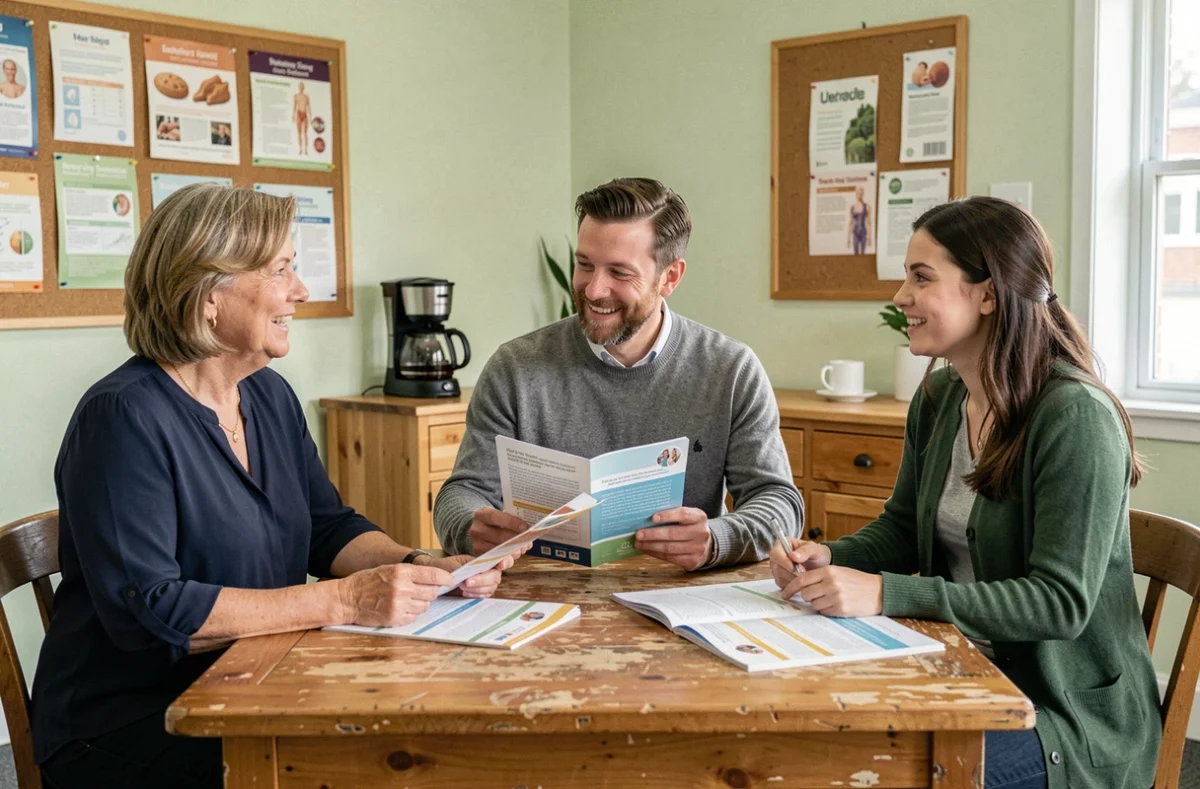
Among the concrete tools implemented by the Ministry of Health, My Prevention Assessment remains underutilized. This covered appointment allows for a discussion with a healthcare professional to review risk factors, overdue vaccinations, and screenings tailored to each profile.
The initiative is offered to four age groups: 18-25 years, 45-50 years, 60-65 years, and 70-75 years. The goal is not a complete medical assessment, but a personalized plan that prioritizes preventive actions based on lifestyle, medical history, and age.
What distinguishes this appointment from a standard consultation is precisely the absence of a medical reason. Discussions include sleep, stress, nutrition, physical activity, as well as vaccinations and screenings, in a dedicated setting. Articles that compile generic health advice often overlook this opportunity, even though it serves as a free entry point to targeted prevention. Several readers will also find additional information on the health section of Ce Qu’il Faut Savoir, which regularly addresses these prevention topics.

Adult vaccinations: health recommendations that change after 65
Vaccination prevention is not just for children. Public Health France indicates that vaccinations against shingles and pneumococcal infections are now recommended for all individuals aged 65 and older. These two conditions cause serious complications in seniors, and vaccination coverage in this age group remains significantly insufficient.
Data from Public Health France shows that vaccination rates vary greatly among different populations. Pregnant women, professionals in nursing homes, and seniors do not follow the same vaccination trajectories. Relevant preventive advice therefore depends on the profile and life stage, not on a uniform rule applied to all.
Seasonal flu and mandatory vaccination for healthcare workers
The Ministry of Health has also made progress on mandatory vaccination for healthcare professionals against seasonal flu. This measure reflects a shift in approach: prevention no longer relies solely on individual responsibility, but also on collective obligations in high-risk environments.
For individuals, the recommendation remains to get vaccinated every autumn, particularly for vulnerable people or those living with at-risk individuals. Barrier gestures (ventilating rooms, hand washing) remain complementary, as health authorities remind in their recommendations for the winter period.
Health prevention by age: why generic advice is not enough
Most articles on daily health offer the same universal recommendations: eat fruits and vegetables, exercise regularly, get enough sleep. These pillars remain valid. The limitation is that they do not take into account the specific needs related to age or life situations.
A 20-year-old student and a 70-year-old person do not face the same risks. The former will be more concerned with stress management and mental health, while the latter will focus on regular screenings and fall prevention. The personalization of prevention becomes the real lever of effectiveness.
What targeted screenings concretely change
Preventive examinations offered at certain ages allow for the detection of pathologies before symptoms appear. Public Health France structures these screenings by life stages, which helps prioritize examinations based on risk profiles.
- Between 18 and 25 years, the assessment mainly focuses on mental health, risk behaviors, and catch-up vaccinations
- Between 45 and 50 years, screenings for colorectal cancer and cardiovascular assessments take precedence
- After 60 years, expanded vaccinations (shingles, pneumococcus) and sensory assessments become priorities
An age-appropriate screening detects issues earlier and costs the healthcare system less.
Wellness trends and mental health: what is emerging in practice
Mental health occupies an increasingly prominent place in prevention policies. Chronic stress, sleep disorders, and social isolation are among the most documented risk factors for cardiovascular diseases and metabolic disorders.
Current wellness trends emphasize integrated practices in daily life rather than one-off solutions. Regular physical activity, even moderate, impacts both the body and mental health. The consistency of a practice matters more than its intensity, a point that official recommendations have highlighted for several years.
Sleep and stress: two indicators to monitor as a priority
Sleep remains a blind spot in prevention for many people. Sleep quality directly influences stress management, physical recovery, and cognitive abilities. Data is still lacking to precisely quantify the long-term health impact of sleep disturbances related to screens, but the signals are converging.
Regarding stress management, approaches vary according to profiles. What works for a working professional may not necessarily suit a retiree or a student. Adapting stress prevention to the life context remains the main challenge for public health programs.
Health prevention is becoming more precise as initiatives are structured by age and profile. My Prevention Assessment, expanded vaccinations for seniors, targeted screenings by age group: these tools exist, are covered, and remain underutilized. Consulting them at the right time changes health trajectories more than a generic resolution applied indiscriminately.