
Hamsters, these little balls of fur, are excellent companions for many households. To ensure their well-being, it is important to understand their specific needs. A balanced diet, consisting of seeds, fresh vegetables, and proteins, is fundamental for their health.
The habitat also plays a crucial role. A spacious cage with areas to climb, dig, and rest, as well as clean bedding, contributes to their flourishing. Determining the sex of your hamster may seem complex, but it is essential to avoid surprises with litters. A few tips can help easily differentiate males from females.
See also : Discover the advantages of next-generation vending machines for snacks and beverages
Hamster Diet and Habitat
To ensure your hamster’s well-being, special attention to its diet and habitat is necessary. The diet should be varied and suitable for the species. Hamsters can consume seeds, fresh vegetables, and a source of protein. Specific hamster seed mixes, available at pet stores, provide an ideal base. Vegetables like carrots, zucchini, and cucumbers are also highly appreciated.
Optimal Habitat
Creating an environment conducive to your hamster’s flourishing is just as fundamental as its diet. The cage should be spacious and well-equipped. Here are some essential elements:
Related reading : Decoding the Success of Modern Startups: Key Factors and Future Areas
- Suitable Cage: opt for a wide cage with fine bars to prevent escapes.
- Cozy Nest: a dedicated space for resting with soft bedding.
- Accessories: wheels, tunnels, and chew toys to stimulate its activity.
The choice of cage depends on the species of hamster. For example, dwarf hamsters, like Roborovski or Chinese hamsters, require smaller but well-equipped spaces. In contrast, Syrian hamsters prefer larger cages.
Specific Considerations
Hamsters are not toys and should not be bred carelessly. The origin of hamsters, especially those from pet stores, can pose risks due to often unknown origins and genetics. Only professional breeders are recommended for breeding. The meeting between the male and female should take place in the male’s cage or in a neutral location to minimize conflicts.
The term Hamster sex refers to the set of distinctive sexual characteristics that allow differentiation between males and females. A good understanding of these distinctions is necessary for proper management of breeding and to avoid unwanted litters.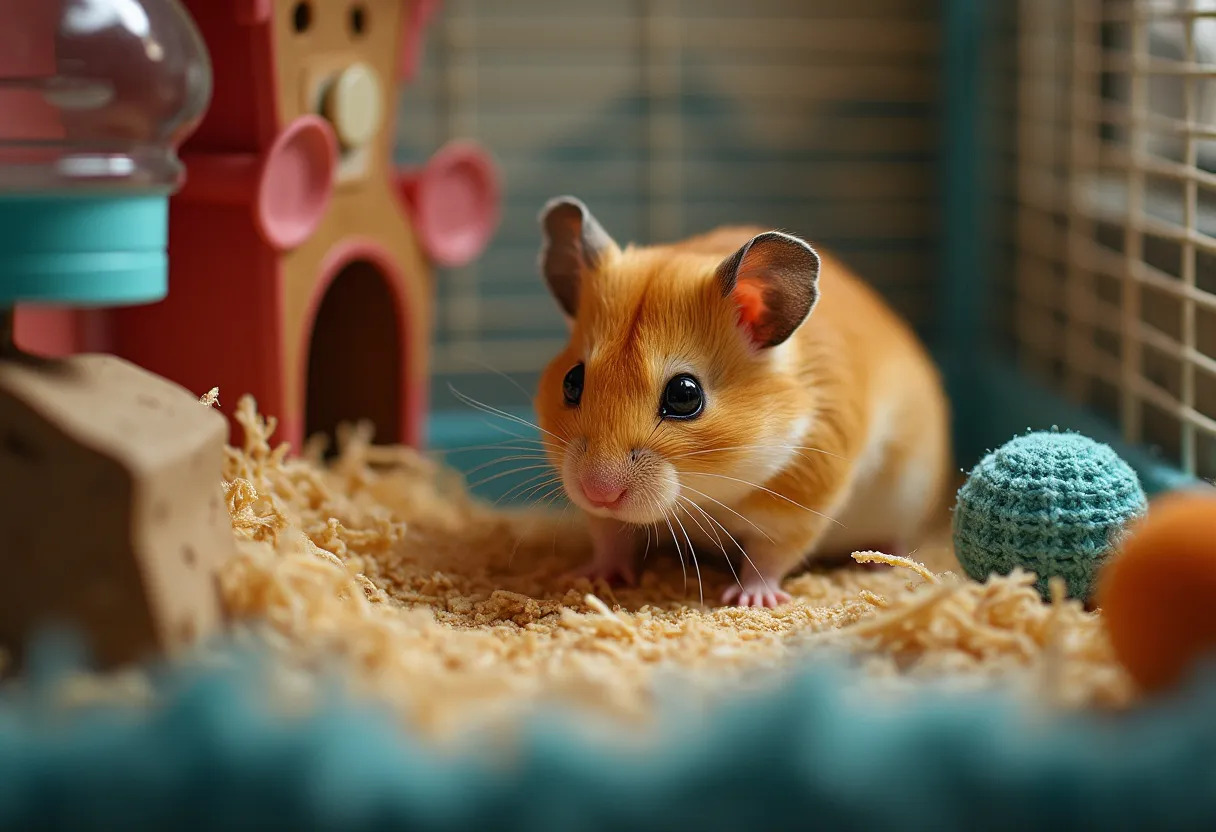
Determining the Sex of Hamsters
Determining the sex in hamsters is a fundamental step for any breeder or informed owner. Correctly identifying the sex of your hamsters helps avoid complications related to unwanted breeding and better manage cohabitation between individuals.
Distinctive Signs
To differentiate a male from a female, several anatomical characteristics should be observed:
- Distance between anus and genital organ: in males, the distance between the anus and the urethra is greater than in females.
- Testicles: the male’s testicles become visible around five weeks of age. Their presence is a reliable indicator of male sex.
- Urethra and vulva: in females, the urethra and vulva are closer to the anus and easily observable.
Specific Observations for Females
The female hamster has additional characteristics, including:
- Nipples: nipples become visible during pregnancy.
- Heat Cycles: the female experiences heat cycles approximately every four days.
Implications of Breeding Management
Good breeding management is essential. The female should not be bred outside the period of three to ten months to preserve her health. Gestation lasts between fifteen and twenty-five days depending on the breed. One litter per year is recommended to avoid physical exhaustion and promote good health.
Babies may not be viable if the parents are not compatible. Separate siblings after weaning, which occurs after about three weeks, to prevent sibling mating.