
The European AI Act has entered its general application phase since August 2, 2026, the Cyber Resilience Act imposes its first reporting obligations since September 11, 2026, and hardware manufacturers are adapting their roadmaps accordingly. These regulatory constraints are reshaping the tech and geek landscape far more than any product launch.
Cyber Resilience Act and connected objects: what changes for geek hardware
The Cyber Resilience Act imposes security by design throughout the entire lifecycle of digital products. Since September 11, 2026, manufacturers must report actively exploited vulnerabilities. Full industrial obligations will arrive in December 2027, but the sector is already anticipating.
In practical terms, we are seeing a direct impact on consumer connected objects favored by the geek community: speakers, smart home controllers, connected gaming peripherals. Manufacturers that do not plan for security updates over several years will have to revise their strategies or exit the European market.
To keep up with these hardware developments and geek culture on a daily basis, Geekob regularly covers the concrete implications of these new standards on the products we use.
Planning, development, and maintenance of firmware are becoming non-negotiable cost items. Small manufacturers of gaming peripherals or low-cost IoT gadgets are the first to be affected. Several low-cost smart home brands have already announced the withdrawal of products that do not justify the investment in vulnerability tracking.
AI Act in application: transparency of models and impact on gaming platforms
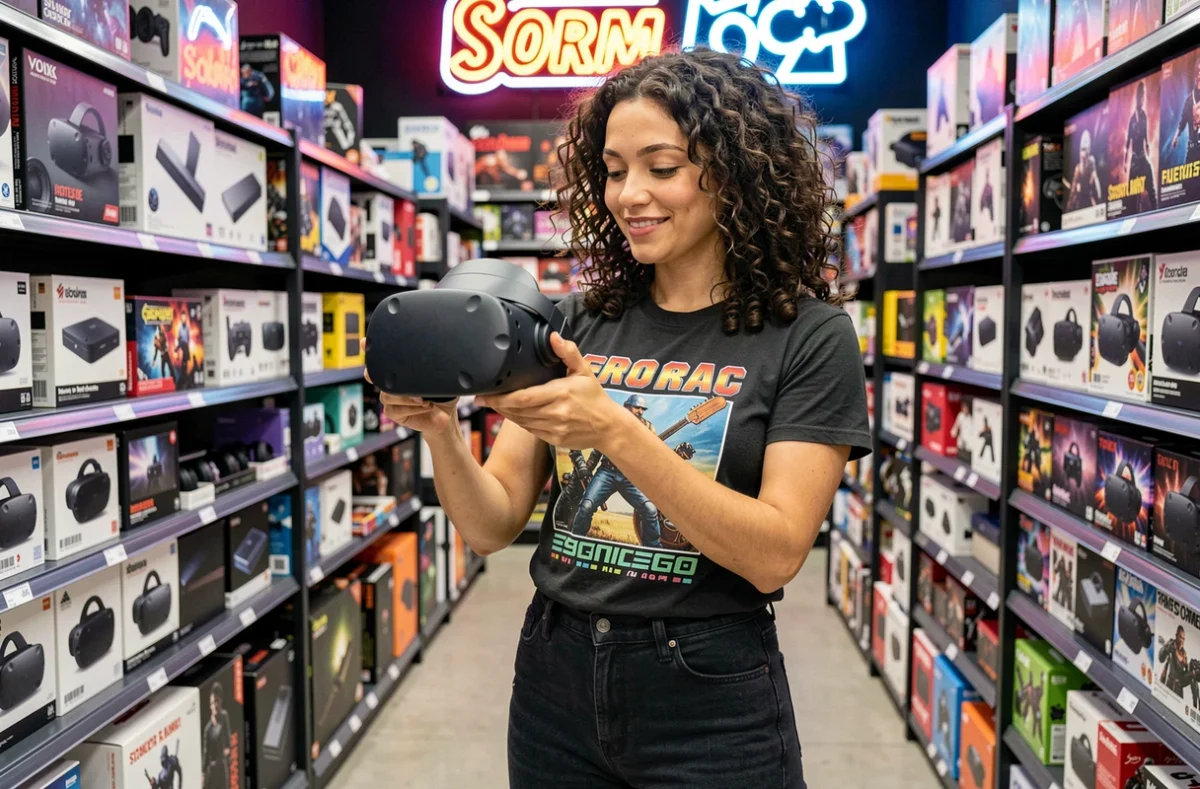
The European AI Act targets general-purpose AI models with transparency requirements that the European Commission and national authorities can now enforce. Provisions regarding high-risk systems remain staggered until 2027 and 2028, but the general framework is established.
For the gaming ecosystem, the consequences are tangible. AI-driven matchmaking systems, automatic moderation tools, and procedural content generators potentially fall within the scope of regulation. Video game publishers that use generative models to create dialogues or assets will need to document their practices.
Nintendo, Xbox, and other major platforms have been integrating AI into their online services for years. The new requirement is to document training data and systemic risks for the most powerful models. Studios relying on third-party AIs (OpenAI, Mistral, etc.) will need to verify the compliance of their suppliers.
European AI infrastructure: investments shaping tech in 2026
The European Union is preparing for a new phase of massive investment in AI infrastructure. The InvestAI program aims to mobilize public and private funds to create sovereign computing capabilities, with gigafactories dedicated to chips and data centers focused on model training.
This movement has direct repercussions on the hardware market:
- Demand for GPUs and AI accelerators is driving prices up, including for gaming graphics cards that share similar architectures
- European manufacturers of servers and components benefit from public orders that redirect their production lines
- Edge computing data centers are multiplying, reducing latency for cloud gaming and streaming services
We observe that cloud gaming directly benefits from this densification of the network of data centers. Latency tests on streaming platforms show significant improvements in areas covered by these new infrastructures.
Pop culture and geek: franchises redefining the tech-entertainment relationship

Castlevania is celebrating its fortieth anniversary this year, and the franchise illustrates an underlying trend: historic geek licenses are becoming technology laboratories. Konami is using this anniversary to test hybrid formats between video games, animated series, and interactive experiences.
Film and series continue their convergence with gaming. Game adaptations are no longer limited to films: they generate transmedia universes where each medium feeds into the others. Just this week, several announcements of collaborations between development studios and streaming platforms confirm this dynamic.
Debates within the geek community focus less on the quality of adaptations and more on the ownership of AI-generated content in these universes. Who owns the rights to a character whose dialogue was written by a language model? The legal question goes beyond the technical framework and touches on copyright, a topic that the AI Act has not yet resolved for the creative sector.
Humanoid robotics and industrial production: beyond the buzz
Tesla is now producing several hundred Optimus robots per week at its Fremont factory, about ten times more than in the second quarter. The pace remains constrained by a specific bottleneck: the hands. The fine dexterity required for real industrial tasks necessitates components that mass production has not yet mastered.
This technical detail reveals a gap between marketing announcements and industrial reality. Humanoid robotics is progressing, but fine manipulation remains the main technological lock. Tactile sensors, miniaturized actuators, and adaptive grasping algorithms are the real R&D topics, far from viral videos of dancing robots.
For the tech community, tracking real advancements in robotics requires looking at patents filed and technical publications rather than staged demonstrations. Reliable information in this sector comes through engineering reports, not keynotes.
The high-tech and geek landscape of 2026 is structured around European regulatory constraints that are concretely altering product design, transparency of AI models, and infrastructure investments. The products we will purchase in the coming months will bear the mark of these new rules, whether it’s a gaming headset, a handheld console, or a cloud gaming service.