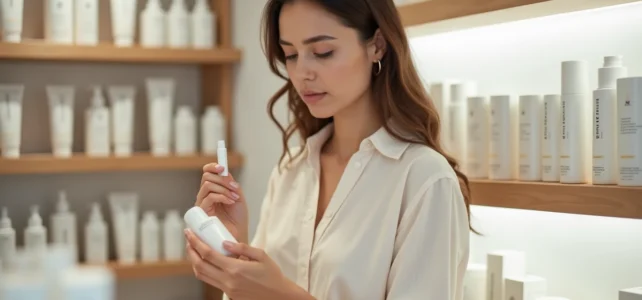
Nocibé distributes hundreds of cosmetic brands in its retail outlets and on its website. Measuring its cruelty-free policy requires distinguishing what the brand directly controls (its own ranges) from what it merely references. Nocibé’s affiliation with the German group Douglas, rarely mentioned in this debate, adds an additional layer of understanding regarding its actual commitments to animal testing.
Douglas Group and cruelty-free governance at Nocibé
Nocibé is not an isolated entity. The brand belongs to the Douglas group, which publishes an annual CSR report detailing its environmental and ethical orientations. Decisions regarding the product assortment, supplier audits, and sustainability goals are partly defined at the group level.
Further reading : Everything You Need to Know About Blind Office Regulations: Rights and Obligations in the Workplace
This governance has a concrete effect: Douglas communicates about a gradual increase in the share of clean and ethical brands in the assortment since 2023. This includes references without animal testing and with limited controversial ingredients. Mainstream articles on Nocibé’s cruelty-free policy rarely mention this governance link, even though it conditions the available offerings in-store and online.
Looking only at the logo on a bottle is not enough. The group strategy directs the catalog towards more brands claiming a cruelty-free approach, but it does not imply that every item sold at Nocibé is certified.
Read also : Black and Tan Shiba: Everything You Need to Know About This Rare Breed
European regulation and animal testing: what remains unclear
The European regulation on cosmetics prohibits animal testing for finished products and ingredients intended exclusively for cosmetic purposes. This ban is often presented as an absolute shield. The regulatory reality is more nuanced.
The gray area of the REACH regulation
The European Chemicals Agency (ECHA) can require animal testing for chemical substances used outside the cosmetic field as well. An ingredient present in a skincare product, but also in a household or industrial product, may be subject to testing under REACH, without formally violating the cosmetic ban.
This gray area indirectly affects brands sold at Nocibé. A product can comply with the European ban on cosmetics while containing an ingredient that has been tested on animals for another regulatory use.
Evolution of the Chinese market
China has long imposed animal testing for imported cosmetics. Recent regulatory changes allow certain categories of products to access the Chinese market without mandatory animal testing. This modification partially reshuffles the debate “selling in China = animal testing,” but the conditions remain restrictive and do not cover all product categories.
| Regulatory framework | Are animal tests allowed? | Impact on Nocibé products |
|---|---|---|
| EU Cosmetics Regulation | No (finished products and cosmetic ingredients) | All brands sold in France are covered |
| REACH Regulation (EU) | Yes, for substances for mixed use | Some ingredients may be tested outside the cosmetic framework |
| China (post-reform) | Partially removed for certain categories | Brands exporting to China are no longer systematically affected |
Cruelty-free labels and Nocibé products: verification criteria
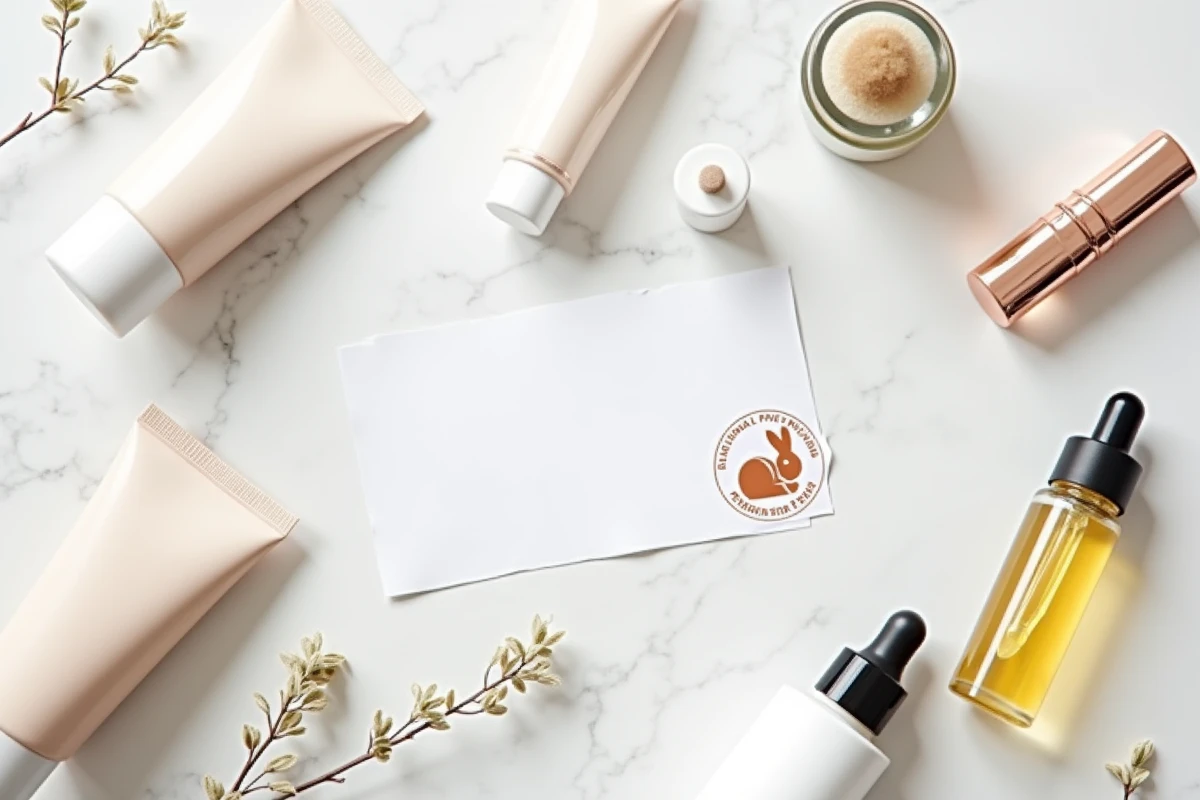
Identifying cruelty-free products in the Nocibé catalog requires knowledge of the labels and their limitations. The two most visible certifications on the shelves are the Leaping Bunny (Coalition for Consumer Information on Cosmetics) and the Beauty Without Bunnies label from PETA.
- The Leaping Bunny requires an audit of the supply chain and a commitment from the brand not to test on animals, including through its ingredient suppliers
- The PETA label relies on a brand declaration, without systematic independent auditing of the production chain
- The mention “vegan” on a package does not automatically mean cruelty-free: it guarantees the absence of animal-derived ingredients, not the absence of testing
A cruelty-free labeled product may contain animal-derived ingredients, and a vegan product may have been tested on animals in another regulatory context. The two concepts often overlap, but they are not interchangeable.
Alternatives to animal testing used in cosmetics
Brands that claim a cruelty-free approach rely on substitute methods whose reliability is recognized by European authorities. These alternatives are not marginal: they cover the majority of safety assessment needs for cosmetics.
- In vitro tests on human cell cultures, particularly for skin and eye irritation
- Reconstructed skin models, which replicate the epidermis’s reaction without using animals
- Computational approaches (computer modeling) that predict the toxicity of a substance based on existing databases
These methods are validated by European regulatory bodies for finished cosmetic products. Their coverage remains incomplete for certain evaluations of systemic toxicity, which partly explains the persistence of testing via REACH for non-cosmetic uses.
The Nocibé catalog mixes brands that are fully certified cruelty-free and brands that comply with European regulations without holding a specific label. The difference between the two lies not in the quality of the product, but in the level of transparency regarding the supply chain. Checking for the presence of a recognized label remains the most reliable way to make a purchase aligned with a cruelty-free approach.